How Much Does an AC Tune-Up Cost in Sacramento and Roseville?
I'm Vitaly, the owner of ARC Heating and Air Conditioning. I've been in the trades for over 20 years, the last several of them as a service manager at a larger HVAC company here in Sacramento. I started ARC in 2023 because I got tired of the sales-driven culture at the bigger shops, where the tune-up was really just a way to get in the door and start writing up repairs. My customers wanted somebody who'd actually service the system and tell them the truth about it. So I built the kind of company I wanted to work for.
That's the lens I'm writing this from. A tune-up should be honest inspection and cleaning, not a sales call in disguise. Maintenance is one of the HVAC services I do most often, especially heading into a Sacramento summer, so this is a topic I get asked about almost every week.
What is an AC tune-up, and why does it matter in the Sacramento heat?
An AC tune-up is the seasonal service that keeps a working air conditioner running well. It's preventive, not reactive. I'm inspecting, testing, and cleaning the system so it can get through a Sacramento summer without breaking down on the hottest day of the year, which is almost always when systems fail.
A proper tune-up touches a few main areas: refrigerant levels and pressures, the condenser coil and airflow, the electrical components, the thermostat, and the condensate drain. The goal is simple. Catch the small stuff while it's still small, and make sure the system is cooling efficiently before you actually need it.
Around here, regular maintenance matters more than people think:
- Our summers are brutal on equipment. Sacramento, Roseville, and Rocklin routinely sit above 100 degrees for stretches in July and August. A system that runs hard all summer wears faster, and a small problem in May becomes a no-cooling emergency in August.
- Efficiency drops quietly. A dirty coil, a clogged filter, or a slightly low refrigerant charge won't stop the system from running. It'll just run longer and cost you more on every cooling bill while you don't even notice.
- Most warranties require it. Manufacturers expect documented annual maintenance. Skip it for a few years and a denied compressor claim can cost you thousands.
- It buys you years. A maintained system lasts a lot longer than a neglected one. The tune-up is cheap insurance on a big piece of equipment.
Real pricing breakdown for the Sacramento area in 2026
Here's what I see across actual jobs in Roseville, Sacramento, and the surrounding areas we cover. These are real service prices, not a teaser rate with a bunch of add-ons waiting at the end.
Single-visit tune-up pricing
| Service | What's included | Price |
|---|---|---|
| Basic tune-up | Single system, refrigerant check, filter and coil service, core inspection | $89 – $149 |
| Comprehensive tune-up | Adds full electrical testing, capacitor check, drain flush, and complete diagnostic | $149 – $249 |
| Two-system tune-up | Two central AC systems serviced in the same visit | $179 – $329 |
Annual maintenance plans
| Plan | Coverage | Price |
|---|---|---|
| Single-system annual | One AC maintenance visit per year | $149 – $199/yr |
| Dual-season | Two visits per year, covers both AC and heating | $199 – $349/yr |
If somebody's advertising a $39 or $49 tune-up, ask what it actually includes. Nine times out of ten that price is a door-opener, and the real money comes from the list of repairs they write up once they're inside. A real tune-up takes time and costs what it costs.
What actually drives the price up or down?
Six things do most of the work:
- Number of systems. A single central AC unit is the baseline. A second system in the same visit adds time but not a full second trip charge, so two systems together cost less than two separate visits.
- System age and condition. An older or neglected system takes longer to service properly. More buildup to clean, more components to test, and more likely to turn up something that needs attention. A system that's been maintained every year goes quick.
- Single visit vs. maintenance plan. A one-off tune-up costs more per visit than the same service bundled into an annual plan. The plan also usually comes with priority scheduling and a discount on any repairs, which adds up if anything does come up.
- What gets found. The tune-up itself is inspection and cleaning. If I find a weak capacitor, a refrigerant leak, or a failing motor, that's a separate repair with its own price. I'll always show you what I found and what it costs before doing anything beyond the tune-up.
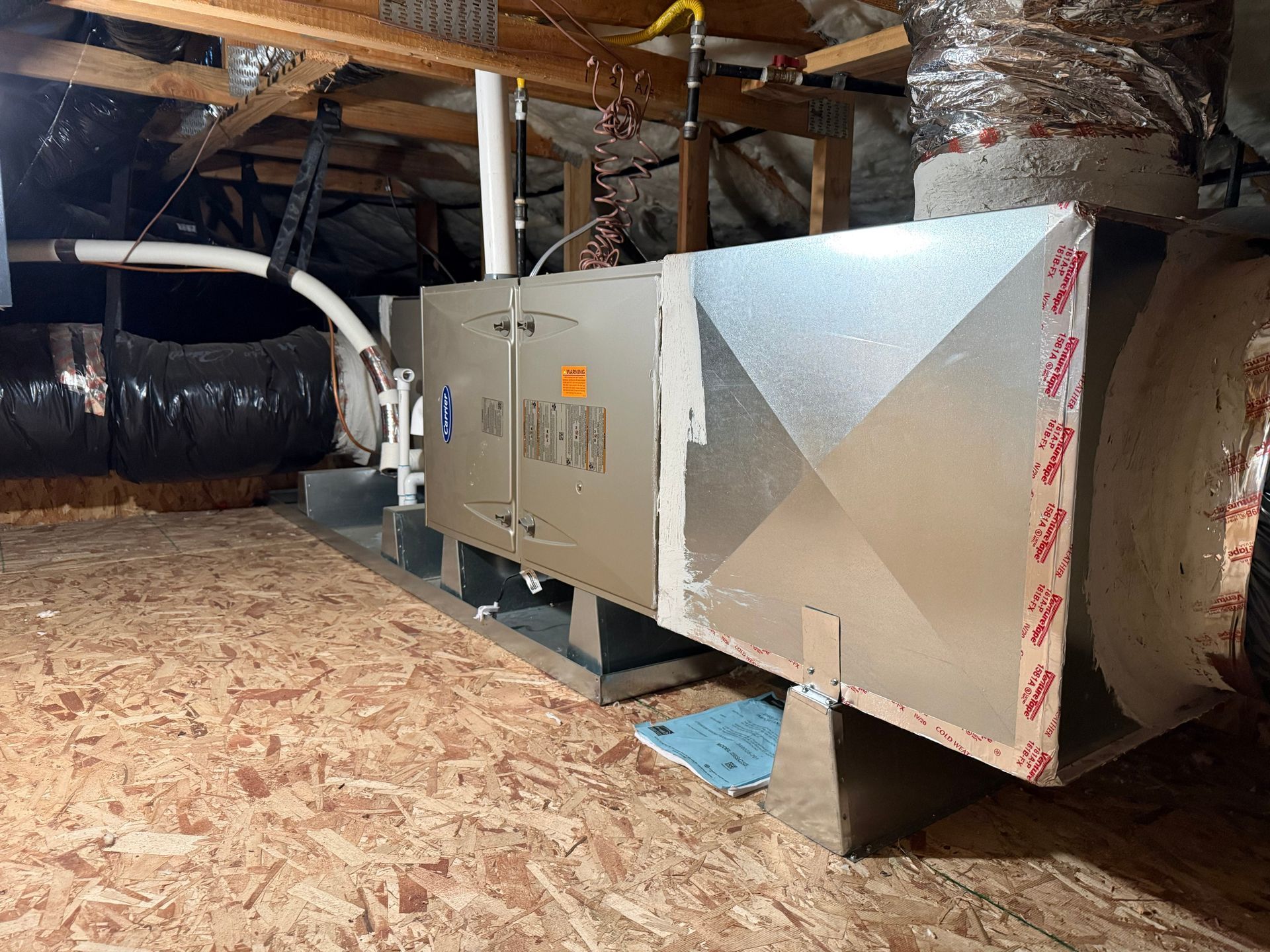
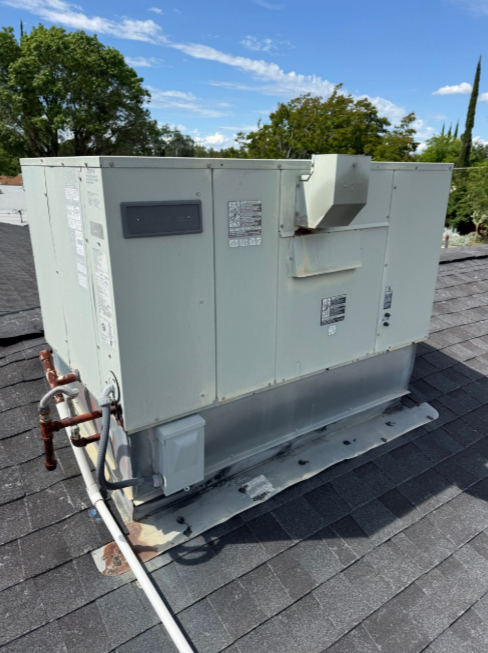
- Accessibility. A condenser tucked behind a fence, a rooftop unit, or an attic air handler that's a pain to reach all add time. Most residential systems in this area are straightforward, but not all of them.
- Refrigerant type. If your system is low and needs a top-off, the cost depends on the refrigerant. Older R-22 systems are expensive to recharge because that refrigerant is being phased out. That's also usually a sign of a leak worth looking at rather than just topping off again next year.
What a real tune-up looks like on the job
The reason I left the bigger company was the culture around maintenance visits. The tune-up was treated as a lead generator, and techs were measured on what they sold, not on how the system ran when they left. I do it differently.
"A tune-up should leave your system running better and your wallet alone. If the only thing that comes out of it is a repair quote, something's off."
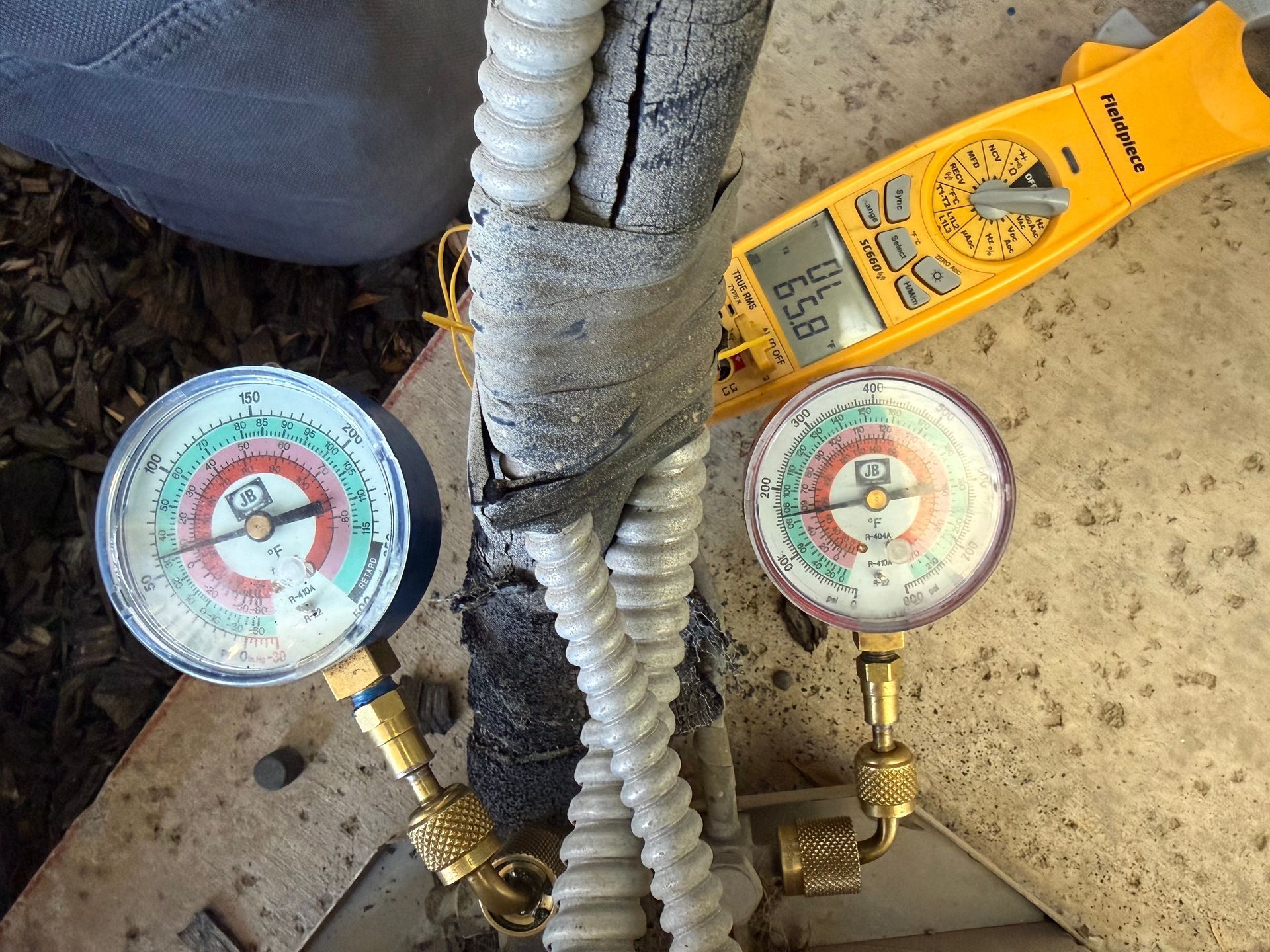
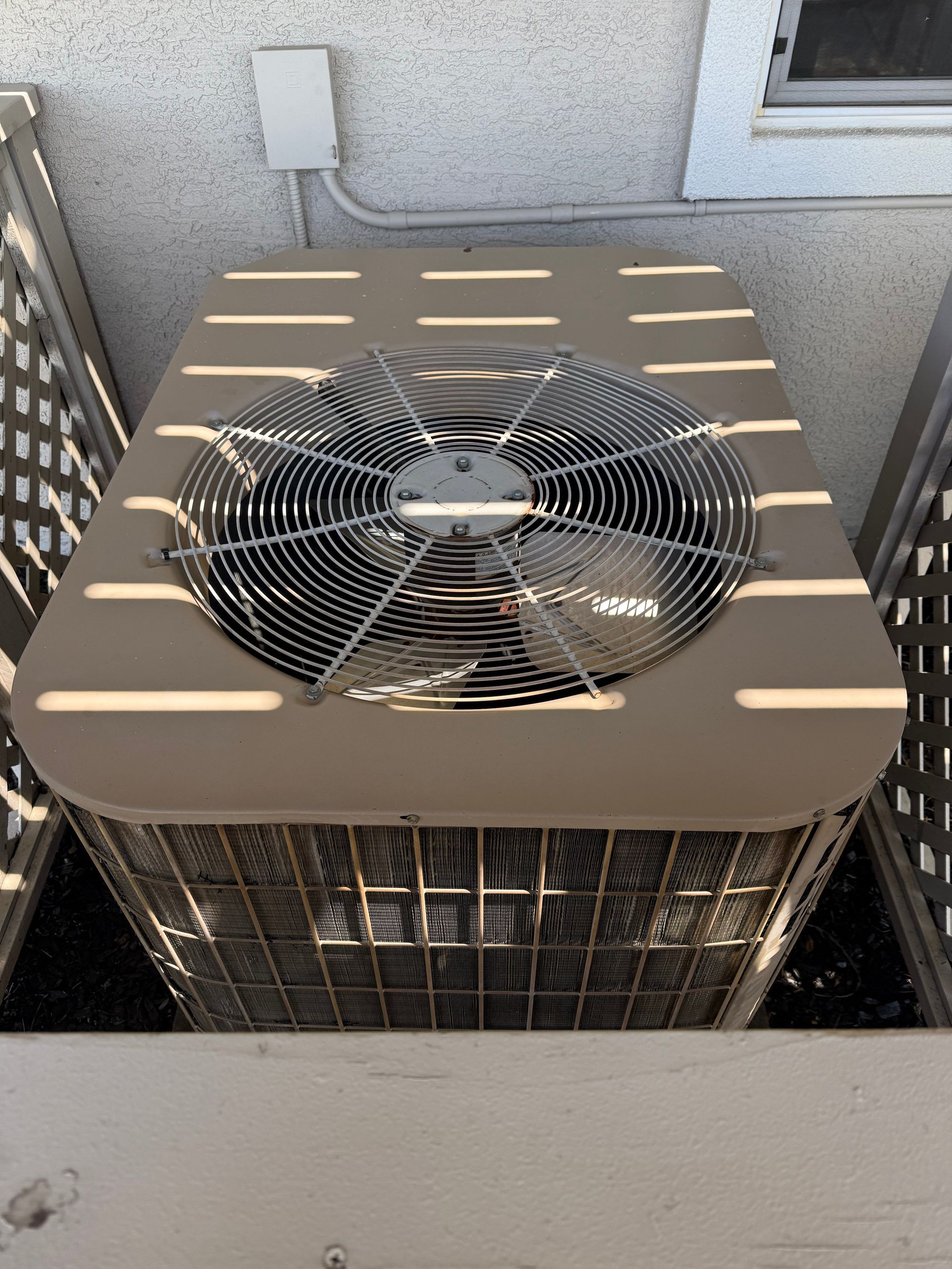
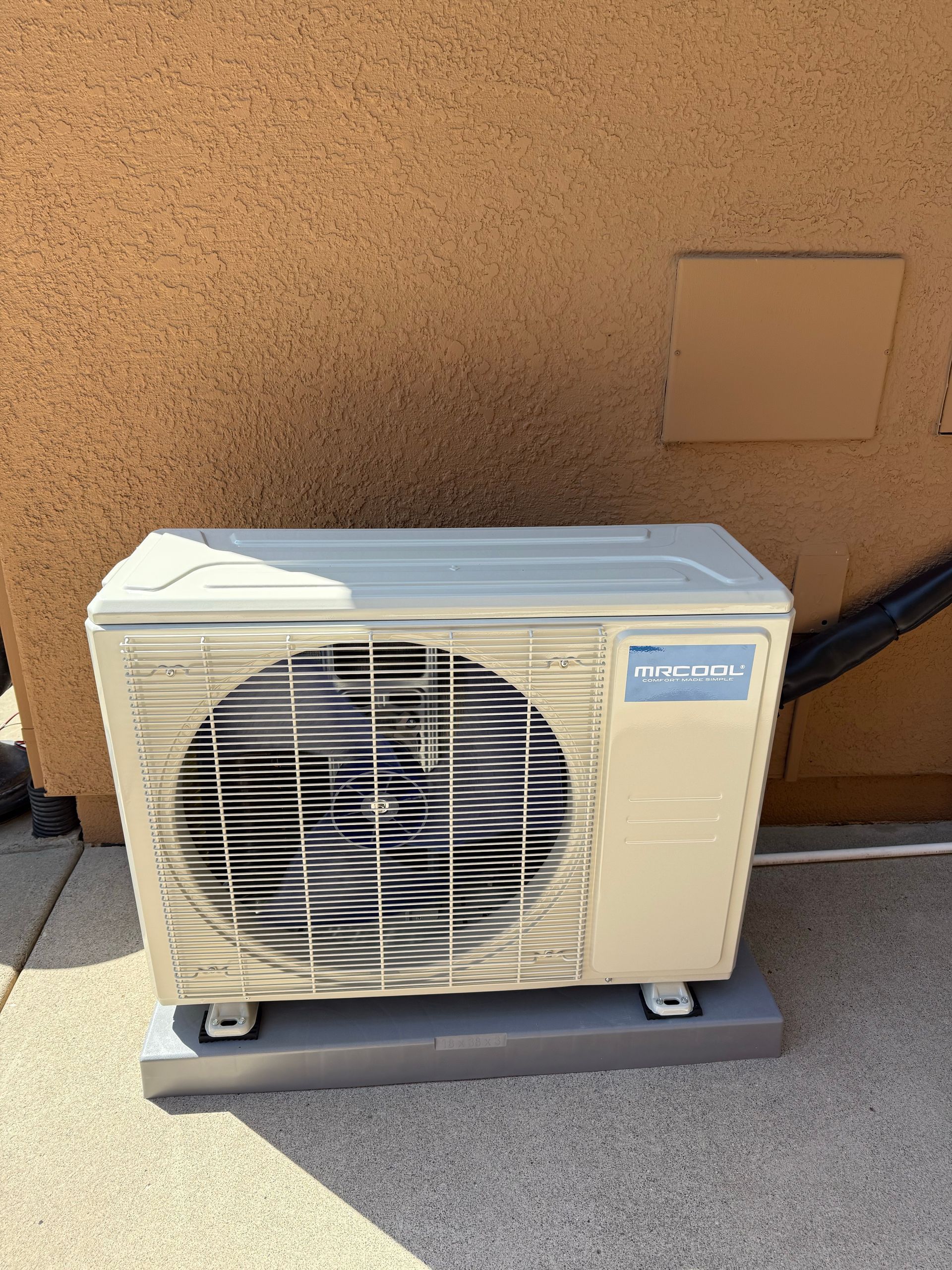
Here's a recent one. A homeowner in Roseville had me out for a seasonal tune-up on their residential central AC ahead of the summer. We ran the full system in cooling mode, checked the refrigerant levels, cleaned the filter, and went through the electrical components one by one. The system was in good shape and didn't need any repairs, which is exactly what you want to hear before July. They're set for the season, and now I've got a baseline on the system for next year.
That's the whole point of maintenance. Most visits should end with "your system's in good shape, here's what I checked." Not every one will, but when a repair does come up, you'll know exactly what it is and why. If you want to hear how it's gone for other folks in the area, I'd rather just point you to what my actual customers have said than try to sell you on it myself.
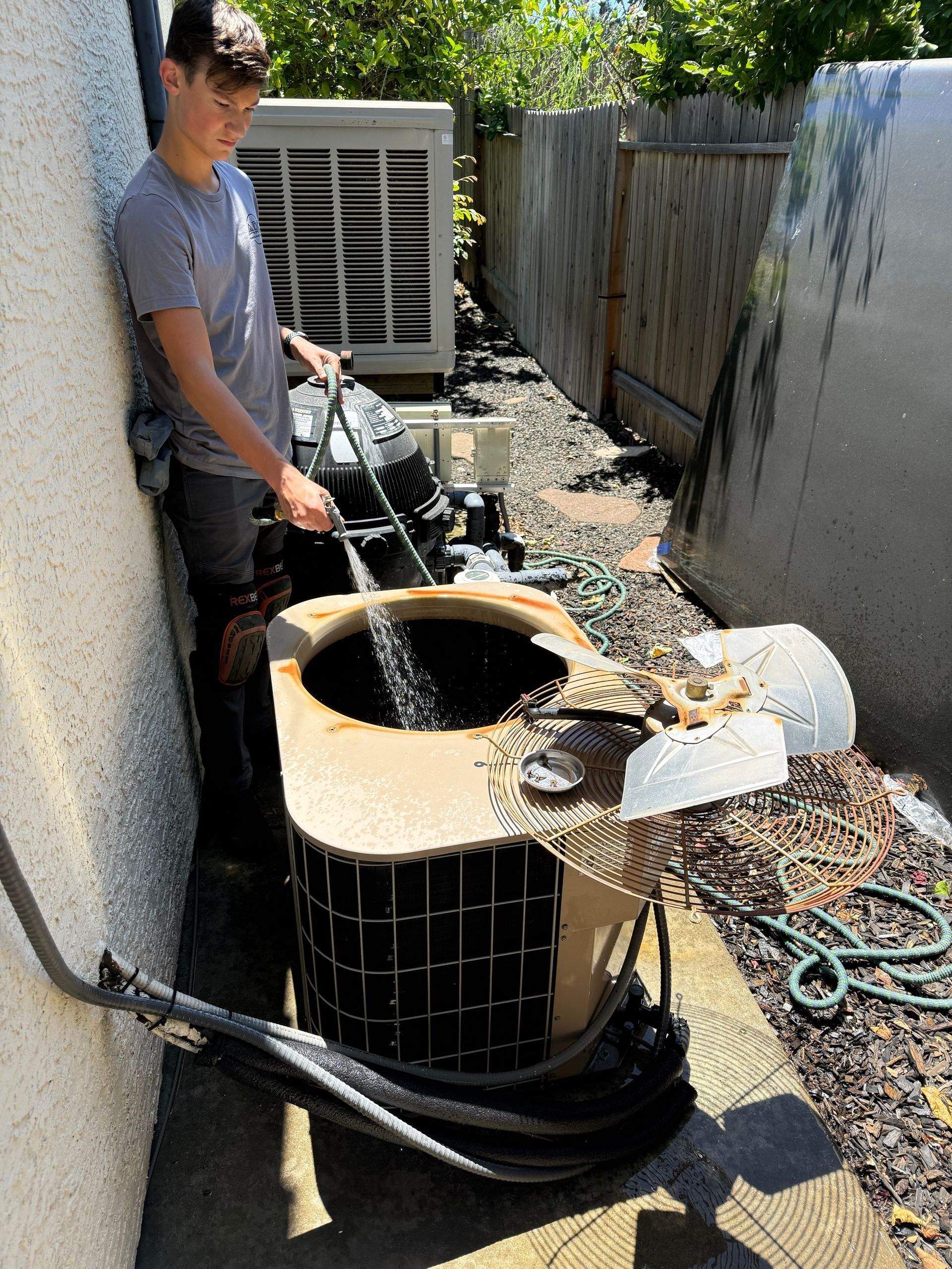
My son comes with me on a lot of these. He's in high school and learning the trade part-time. So if you see two of us pull up to your house, that's why.
Tune-up, repair, or replace: which one do you actually need?
A tune-up is the right call when:
- Your system is working and you want to keep it that way
- It's been a year or more since the last service
- You're heading into cooling season and want to catch problems early
- You want to protect your manufacturer warranty with documented maintenance
You're looking at a repair when:
- The system is running but not cooling well, short-cycling, or making noise
- A tune-up turns up a specific failing part like a capacitor or motor
- There's a refrigerant leak that needs to be found and sealed, not just topped off
Replacement is worth a conversation when:
- The system is 15 or more years old and repairs are stacking up
- It uses R-22 refrigerant and needs a major repair
- Your cooling bills keep climbing despite maintenance
If you're not sure where your system falls, that's exactly the conversation I'd rather have with you honestly during a tune-up than after you've spent money on the wrong thing.
What's included in a proper AC tune-up?
When I tune up a central AC system, here's what's in the scope:
- Run and test the full system in cooling mode
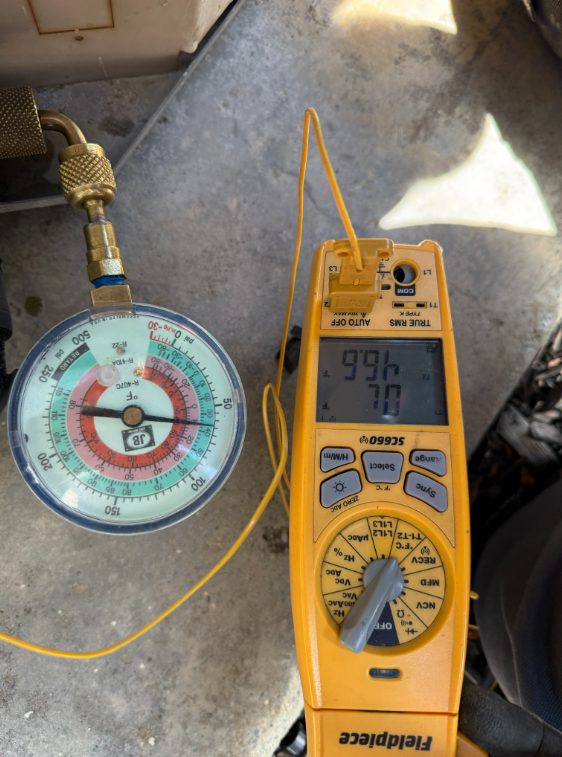
- Check refrigerant levels and operating pressures against spec
- Clean or replace the air filter and check for airflow restrictions
- Clean the outdoor condenser coil and clear debris from around the unit
- Inspect and test electrical components, including the capacitor, contactor, and wiring
- Tighten electrical connections
- Test thermostat calibration and cycling
- Clear the condensate drain line
- Measure the temperature split across the coil to confirm efficient cooling
- Document findings and flag anything that needs attention, with clear and separate pricing
If a cheap tune-up you're comparing doesn't include most of these, that's your answer on why it's cheap. The difference between a $49 tune-up and a real one is everything that's left off the list.
How long does an AC tune-up take?
For most homes I work in:
- Single system: 45 to 90 minutes
- Two systems: 1.5 to 3 hours
- Older or neglected system: longer, since there's more to clean and more to check
If a tune-up takes ten minutes, it wasn't a tune-up. Doing it right takes time, and that time is where the value is.
How often should you tune up your AC?
Once a year at minimum, and the best time is spring, before the Sacramento heat arrives and the system starts working hard. If your equipment handles both heating and cooling, twice a year is better: once before summer and once before winter. That's what the dual-season plan is for.
Annual service is also the simplest way to protect your warranty and to keep a running record of the system's condition. The first tune-up gives me a baseline. Every one after that tells me what's changing and how fast, which is how you catch a failing part before it leaves you without cooling in August.
Frequently asked questions
A professional AC tune-up in the Sacramento and Roseville area typically costs between $89 and $249 in 2026. A basic single-system tune-up usually runs $89 to $149. A comprehensive multi-point tune-up generally falls between $149 and $249. Annual maintenance plans that bundle air conditioning and heating visits typically run $150 to $350 per year.
Once a year at minimum, ideally in spring before the Sacramento cooling season starts. If your system handles both heating and cooling, twice a year is better, once before summer and once before winter. Annual service is also what keeps most manufacturer warranties valid.
A real tune-up is worth it. It catches small problems before they become expensive failures, keeps the system running efficiently through a Sacramento summer, and extends equipment life. The upsell concern is fair, though. Some companies use a cheap tune-up to get in the door and then push repairs you don't need. A tune-up should be honest inspection and cleaning, with any recommended repairs clearly explained and priced separately so you can decide.
A tune-up is preventive. It's the scheduled inspection, testing, and cleaning that keeps a working system running well. A repair is fixing something that's already broken or failing, like a bad capacitor, a refrigerant leak, or a failed motor. A tune-up often finds the early signs of a problem before it turns into a repair.
It can. Most manufacturers require documented annual maintenance to keep the parts and compressor warranty valid. If your compressor fails at year six and you have no maintenance records, the manufacturer can deny the claim. Keeping up with annual service and saving the paperwork protects that coverage.
You can handle the basics. Changing the filter, clearing leaves and debris from around the outdoor unit, and rinsing the condenser coil with a gentle hose are all fine to do yourself. What you shouldn't do yourself is anything involving refrigerant or electrical components. Those require training and EPA certification, and getting them wrong is how a small issue becomes a compressor replacement.
If you want a real tune-up, give me a call
When you call ARC, you talk to me. Not a call center, not a sales rep on commission. Honest service, honest pricing, and the truth about your system.
— Vitaly, ARC Heating and Air Conditioning